

From notes to work
On noticing, memory, and the second pass

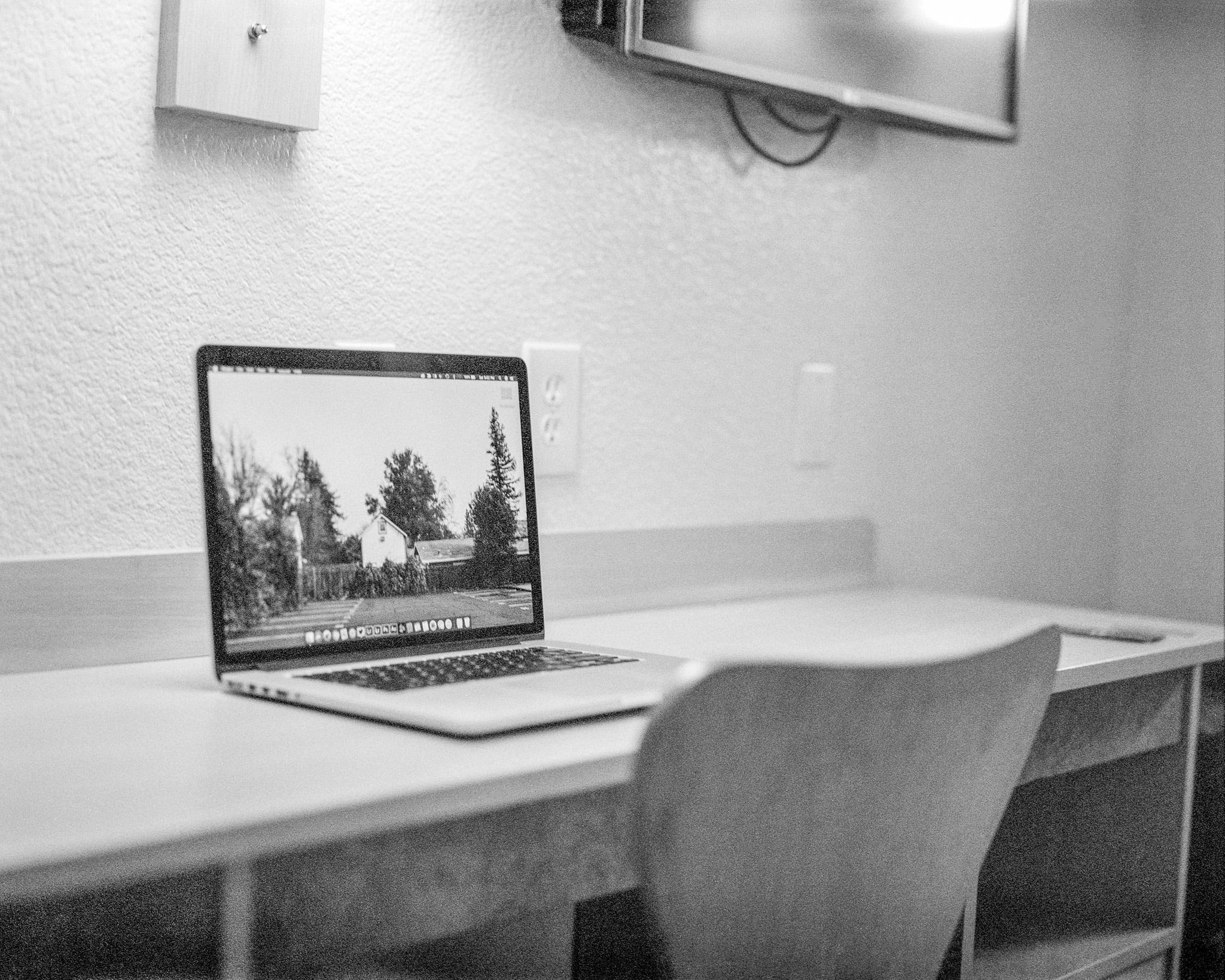
Last week, I wrote about the simple act of moving notes from paper to screen. It looked small on the surface. It turned out to be the hinge for a lot of unfinished work.
I spent most of last year telling myself I was going to live on paper.
I liked how it sounded. A pocket notebook. A decent pen. A life reduced to ink and margins. I liked the idea of carrying my whole brain in a Field Notes. Thoughts, quotes, scraps of conversations, all written down fast and crooked. No apps. No search. Just memory doing its job.
It felt honest. It felt older than the moment we’re in.
It didn’t work the way I hoped.
I still write things down constantly. At the gallery, I’m always catching something. A line someone drops while helping a customer. The way a stranger talks about a photograph. A sentence that shows up while I’m walking to get food. The notebook fills quickly with fragments. Half thoughts. Questions I’m not ready to answer yet.
In the moment, they feel alive.
If they stay in that notebook, most of them disappear.
For a long time, I trusted my memory to carry them forward. I’ve always been known as the person who remembers things. Conversations from months ago. Exact wording. Details other people let slide. Lately, that’s been harder to rely on. A sentence fades. A thought loses its edges. I remember that something mattered, but not what it was or why.
That’s the gap I’ve been trying to close.
At night, I sit down and move the day over. I open Obsidian, a local notes app that lives on my computer, and copy what I wrote into a daily note. It’s the same words, but the act of typing them again changes their weight. I have to slow down. I have to decide if they’re worth keeping. I have to see them twice.
That second pass matters more than I expected.
Once something lands there, it stops being a private noise. It becomes material. Not an essay yet. Not anything finished, but something I can easily return to.
I don’t do much to it. I don’t polish. I don’t organize heavily. I let things sit together long enough to show what they might belong to. Over time, patterns start to surface. What I keep circling. What keeps repeating. What refuses to let go.
That changes how the work feels.
Instead of sitting down to write and asking myself to remember, I’m asking myself to look. The page isn’t empty. It’s already holding pieces of my attention from earlier days. Writing becomes less about invention and more about arrangement.
What comes out of that process isn’t content, at least not in the way the internet uses the word. It’s work. Essays. Articles. Small printed things. Photographs that make it out of a hard drive and into a post. It’s the moment when a private observation leaves my head and becomes something someone else can spend time with.
There’s a quiet difference between a life full of interesting moments and a body of work. I’ve lived long enough to know that one doesn’t automatically turn into the other.
This is my attempt to build a path between them.
The notebook catches what happens. The second pass gives it a place to stay. What comes later depends on whether I’m willing to pick something up and follow it through.
I’m not trying to manage my thoughts or control where they go. I’m trying to respect them enough not to lose them. I don’t want every good line or important exchange to vanish into the familiar fog of “I’ll remember that later.”
I want more of what I notice to make it all the way through.
That’s the work I’m setting up this year. Not collecting more notes. Not chasing output. Paying attention, holding it twice, and seeing what’s willing to stay.